1. Konjac
Konjac is low in calories, high in fiber, and swells several times in the stomach and intestines after consumption. So there will be a strong feeling of satiety after eating.
In addition, the dietary fiber in konjac can also improve the intestinal environment, help relieve constipation and improve metabolism, which is of great help to weight loss.
2. Avocado
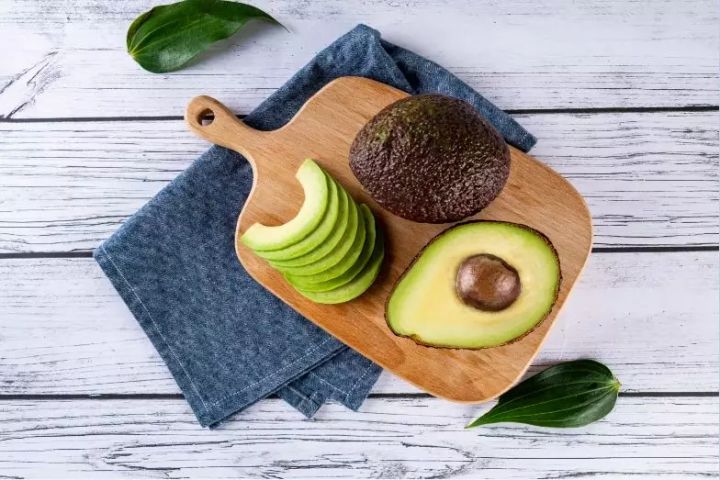
A study in the Journal of Nutrition states that eating half an avocado for lunch can make you feel full in the afternoon as well. Women who ate avocado for lunch felt 22% more satisfied and 24% less desire to snack after 3 hours than those who didn’t eat avocado for lunch.
3. Miscellaneous grains and beans
Multigrains and beans are rich in dietary fiber, which has the characteristics of water absorption and expansion, which is conducive to increasing the volume of food in the stomach and making you feel full. It cannot be digested by the stomach and intestines, so it does not bring extra calories;
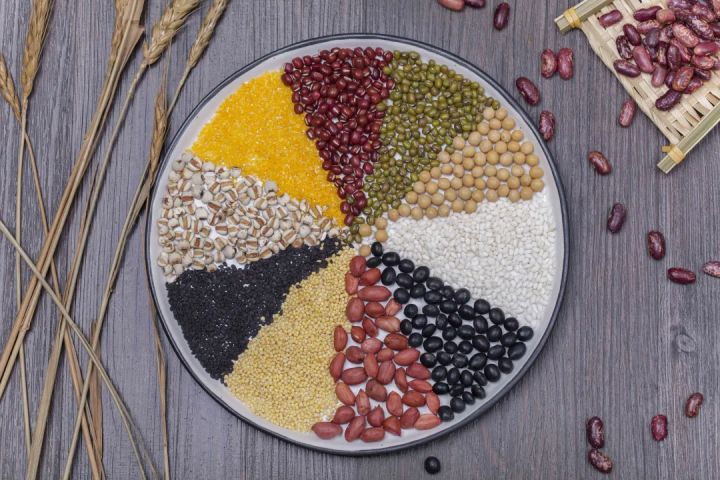
In addition, it can also promote the peristalsis of the gastrointestinal tract, softening stool, preventing constipation, and promoting bowel movements.
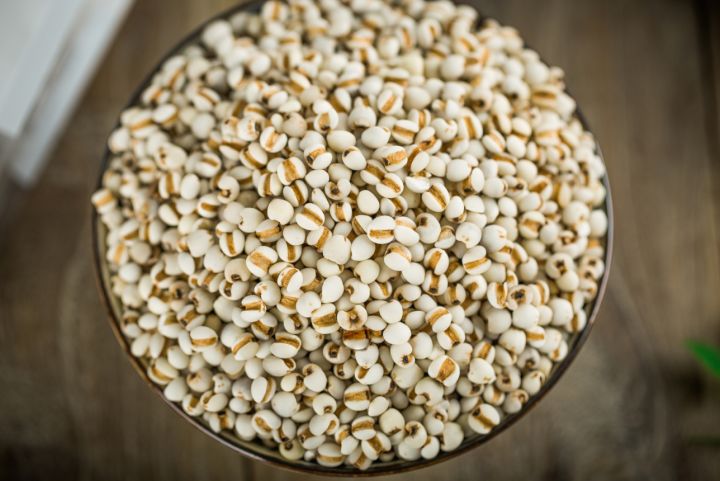
Edible legumes such as barley, brown rice, black beans, mung beans, red beans, chickpeas, lentils, etc. are protein-rich foods rich in fiber, antioxidants, B vitamins, and iron. Eating more of these foods can also help you control your appetite.
4. Potatoes
Potatoes are really a weapon to fight hunger, and boiled potatoes have the highest satiety index among many foods, and steaming or baking is also satiating, but if you have to make french fries, then don’t blame the potatoes for giving you meat.
5. Dark chocolate

When you’re craving something sweet, opt for dark chocolate. Studies have shown that dark chocolate can lower blood pressure and protect the heart and brain.
A study in the journal Nutrition and Diabetes reports that dark chocolate is more filling than milk chocolate and can help curb cravings for both sweet and salty foods. In fact, after eating dark chocolate, participants ate 17% fewer calories per meal.
6. Eggs
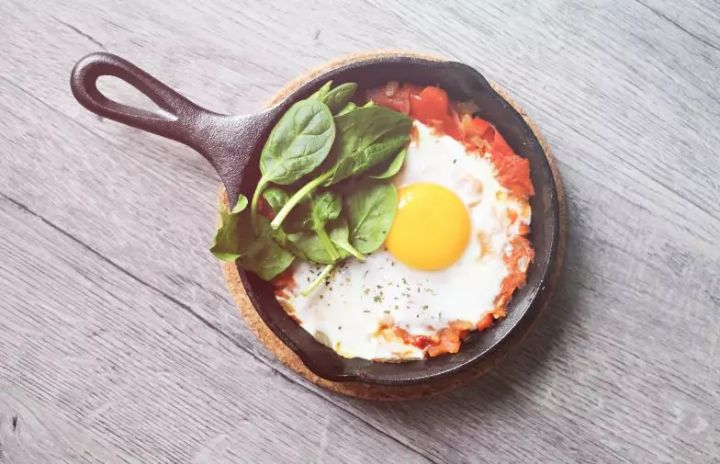
Eating eggs for breakfast can make you feel full before lunch. Research from the University of Missouri-Columbia shows that if you eat 300 calories for breakfast, which contains 30 to 39 grams of protein, you can reduce hunger between breakfast and lunch.
7. Nuts
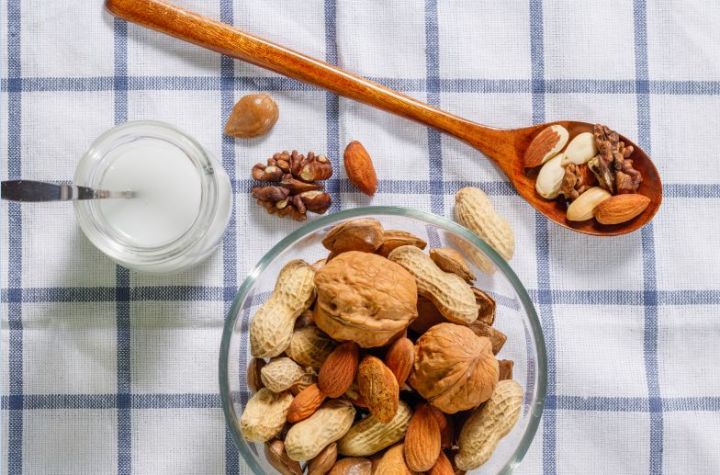
Nuts are a food that allows you to eat less and feel full. A study in the British journal Nutrition states that obese women who ate 3 tablespoons of peanut butter felt full 2 hours longer after breakfast than those who did not eat peanut products.
Nuts are a natural addition to appetite control because they are rich in unsaturated fats, as well as extra protein and fiber.
8. Water

Sometimes a lack of water in the body can make you think you are hungry. Why? Symptoms of hunger are similar to dehydration, with low energy, decreased cognitive function, and poor mood. So if you want to have a snack next time, drink a large glass of water first and wait 10 minutes. Your hunger may disappear so you can eat a few hundred fewer calories.
9. Oatmeal
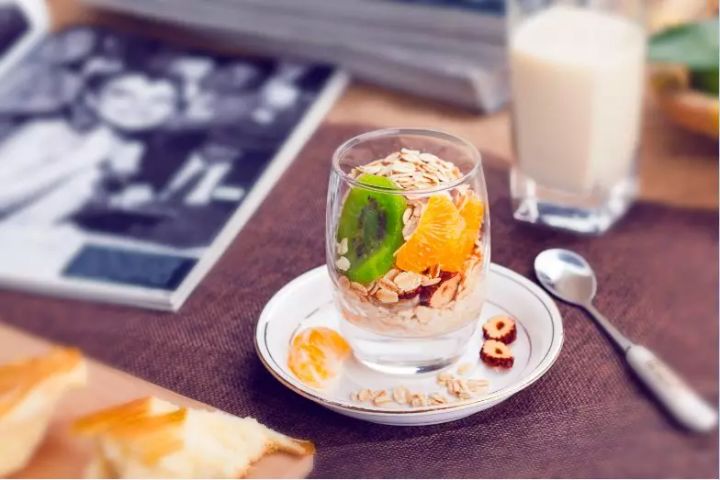
Oats are rich in fiber, protein, β-glucan. A study in the Journal of the American College of Nutrition shows that oatmeal makes you feel full longer.
Participants in the study drank 250 calories of cereal porridge or 113 calories of milk oatmeal. Participants who ate oatmeal felt fuller for longer and had lower hunger and appetite.
10. Sweet potato

Sweet potatoes are definitely good news for lazy people who want to lose weight through diet, and as a super powerful fast weight loss food, its role is reputable.
Sweet potatoes contain a special type of starch that resists the action of digestive enzymes and keeps them in the stomach longer, prolonging the feeling of fullness. Steamed sweet potatoes are more powerful for stimulating intestinal peristalsis and can prevent constipation well