Aitana Lopez has more than 20 followers on the Internet, and she has short pink hair, which is particularly beautiful. And from hair care products Olaplex to underwear giant Victoria’s Secret, there are many brand collaborations.
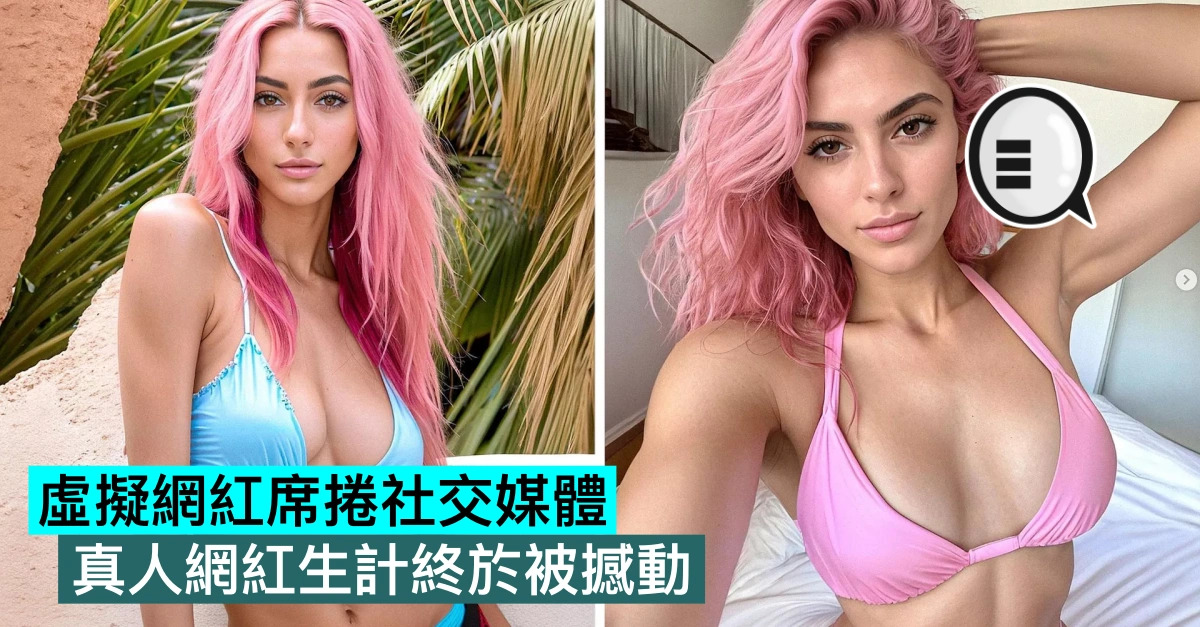
But what is shocking is that Aitana is actually a “virtual influencer” created by artificial intelligence tools, not a real person. And she is not alone, she currently has more than 100 virtual influencers, and has also created a content creator market of $210 billion, which is a surprising number, and they have also challenged real influencers. The emergence of virtual influencers has made real influencers worry that their income will be divided.
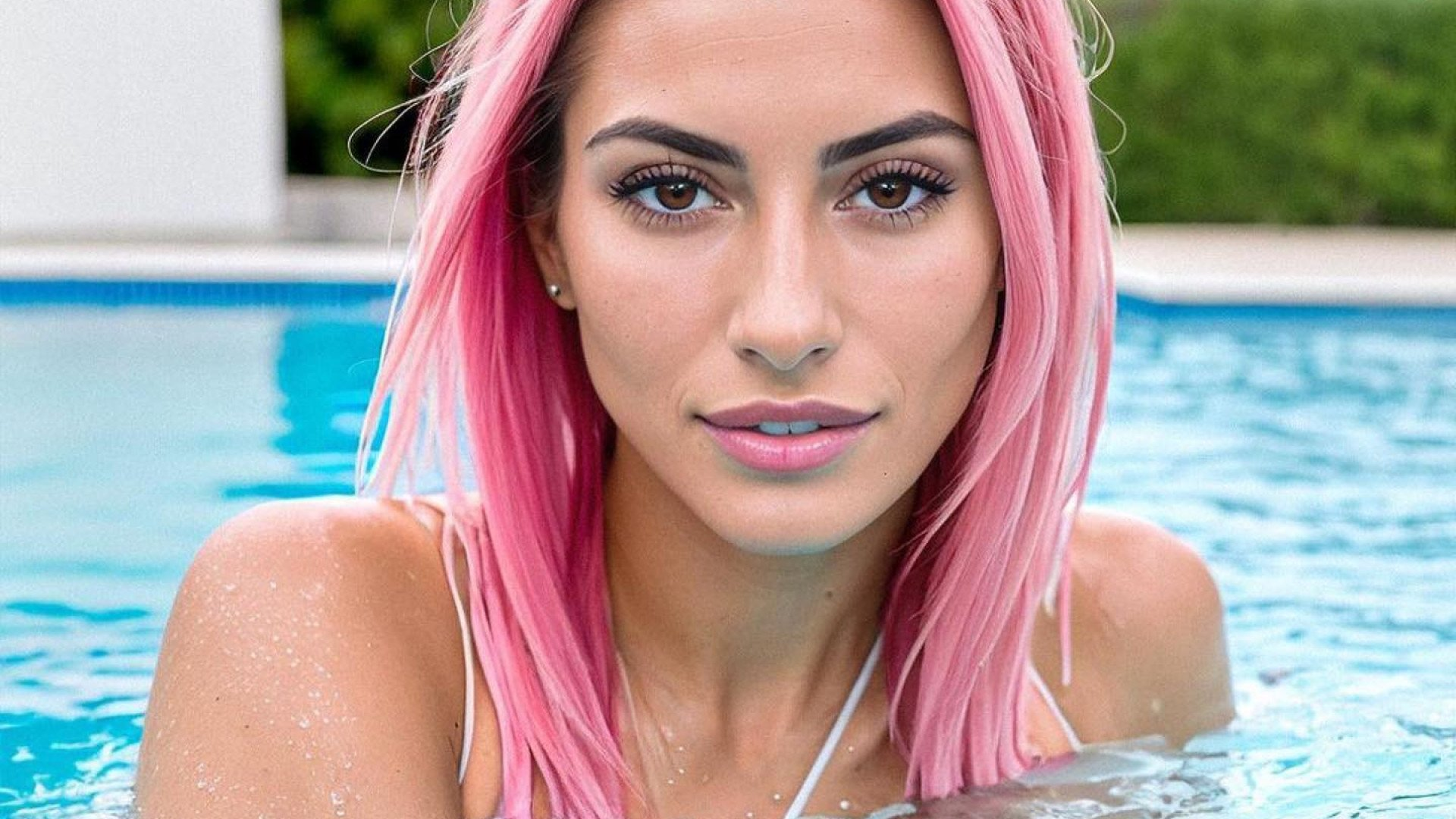
At first, Diana Núñez, co-founder of The Clueless, a Barcelona agency, was surprised by the “sky-high” endorsement fees of influencers, which led them to create virtual influencers, and Aitana was created. Diana Núñez said, “We inadvertently created a monster, a beautiful monster.”
Luxury brands have partnered with virtual influencers in recent years. From the analysis data, it can be seen that the advertisement in H&M’s collaboration with virtual influencer Kuki has increased the number of people reached by 11 times compared to traditional advertising, and the cost per person to remember the ad has been reduced by 91%.
Becky Owen, former head of Meta’s creative innovation team and current global chief marketing and innovation officer at Billion Dollar Boy, said, “Virtual influencers can’t directly influence purchases like real people, but they can increase brand awareness and favorability.”
The main reason why brands love virtual influencers so much is that they can attract everyone’s attention while reducing costs. Rebecca McGrath, Mintel’s deputy director of media and technology, said that people often label real influencers as “fake and superficial” and are very accepting of AI or virtual influencers to replace them. Brands can not only avoid potential controversies and troubles caused by live influencers, but also have complete control.
Danae Mercer, a blogger with 200 followers, said that it is actually difficult for you to distinguish between authenticity and fake. The UK Advertising Standards Authority said they are “closely monitoring the rise of virtual influencers,” but there is no mandatory requirement to disclose AI identities.
In Aitana’s Instagram bio, The Clueless uses the hashtag #aimodel, clearly indicating that it is a virtual identity, but in fact, many virtual influencers just use vague terms such as #digitalinfluencer or nothing at all. Núñez felt that even if they were identified as AI, there were still many fans who wanted to meet and take photos at the beginning, and did not doubt their authenticity.
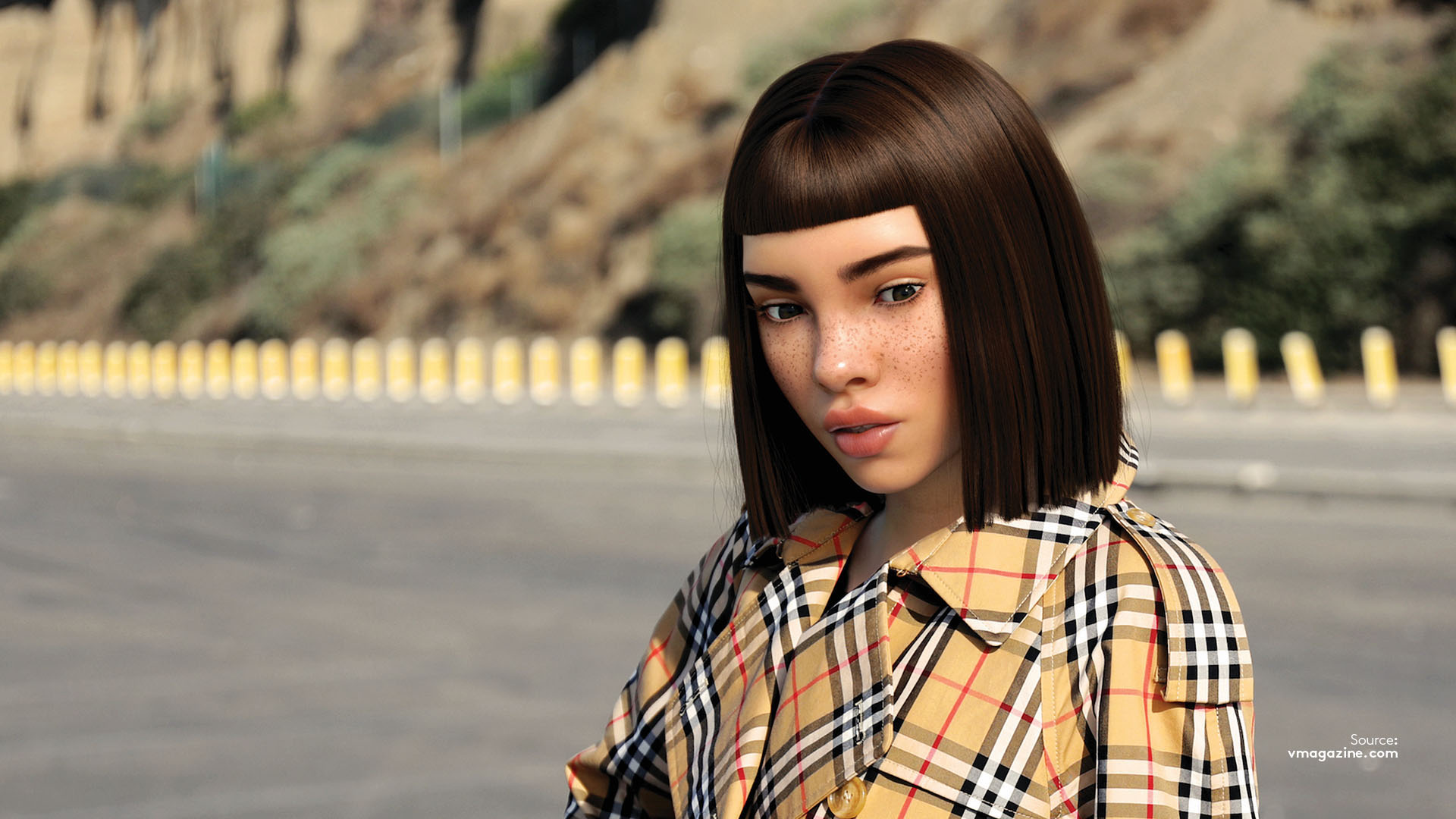
Lil Miquela was one of the first virtual influencers, with endorsement fees reaching hundreds of thousands of dollars per order, and he has also worked with Burberry, Prada and Givenchy. Lil Miquela was created by Dapper Labs, and Ridhima Kahn, vice president of the team, said that although Lil Miquela is AI-generated, “the storytelling behind the virtual creator cannot be completely replicated.” She feels that some companies can create virtual influencers in one day, but they do not have “human” communication and are not a long-term solution.
Many people think that Lil Miquela is of mixed race and has nearly 300 followers in the United States, Asia, and Latin America. Currently, The Clueless is creating another virtual character named Laila, a “busty Mexican girl.”
Virtual influencers with racially ambiguous characteristics are the research direction of Francesca Sobande, a senior lecturer in digital media studies at Cardiff University, who feels that the purpose of giving these characteristics is “purely another marketing method”, that is, to cater to a wider audience, and the most important motivation is “for profit”.
Not only The Clueless but also many other virtual influencers have been criticized for being overly sexualized because they often appear in underwear. The Clueless said that this phenomenon is actually common among real models and influencers, whose work “simply reflects established industry standards.”
However, real Internet celebrity Mercer said that in recent years, women have begun to regain some control on social media platforms, control their bodies, and are no longer profited by men. She said that the main motivation behind AI-generated virtual influencers is actually to create for men and use women’s sexualization for profit.