What is ETF Connected? The simple understanding is that ETFs can be traded over-the-counter. After a fund company lists an ETF fund, it will launch a corresponding ETF feeder fund to allow more ordinary investors to invest.
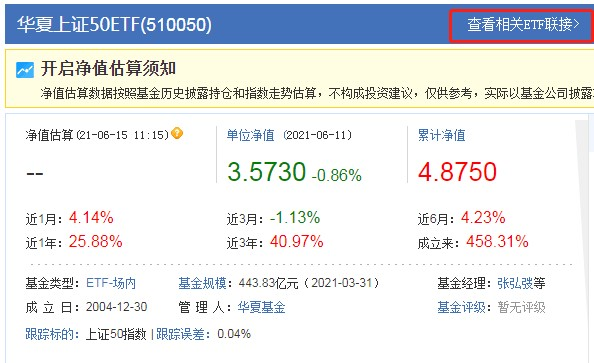
What is the difference between ETFs and ETF feeders?
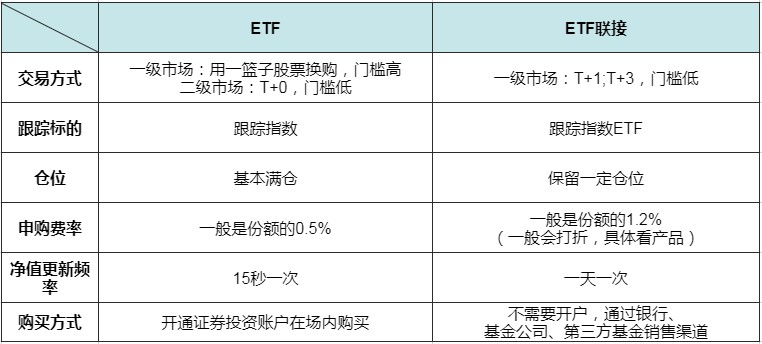
Difference 1: Different trading methods
- ETFs are traded in two ways.
The first type: the use of physical subscription in the primary market, cannot be directly subscribed in cash, the capital threshold is millions, suitable for institutions and investors with strong economic strength. For example, if we want to subscribe to the ChinaAMC CSI 500 ETF, we must buy a basket of stocks in advance according to the fund subscription and redemption list published by ChinaAMC Fund Company every day, and then subscribe to the fund company and convert it into the corresponding ETF shares.
The second type: trading in the secondary market, T+0, like stock trading, good liquidity; Through cash transactions, you can invest for only a few hundred yuan, which is suitable for small and medium-sized investors.
- ETF connection: cannot be traded in the secondary market, can only be subscribed and redeemed in the primary market like ordinary open-end funds, the general subscription confirmation time is T+1, and the redemption is T+3; through cash transactions, the threshold is low, suitable for small and medium-sized investors.
Difference 2. Difference in tracking targets
- ETFs track indices, such as the SSE 50 ETF tracks the SSE 50 Index. The investment scope is the constituent stocks of the underlying index. alternative constituent stocks, etc. The proportion of the fund’s investment in the underlying index constituent stocks and selected stocks shall not be less than 90% of the fund’s net asset value.
- ETF connection tracks the corresponding ETF, such as the SSE 50 ETF link tracks the SSE 50 ETF. The assets invested by the ETF feeder fund in the target ETF shall not be less than 90% of the net asset value of the feeder, and the remainder shall be invested in the underlying index constituents and alternative constituents.
Difference 3: Different positions
- ETFs are basically running at full capacity
- ETF feed-track ETFs generally retain a certain amount of positions
Difference 4. Different subscription rates
- The ETF subscription fee is generally 0.5% of the subscription and redemption share.
- ETF feeder fund subscription, the front-end subscription rate below 1 million is generally 1.2%. (Generally discounted, different products and platforms are different)
Difference 5: The frequency of net worth updates is different
- The net value of ETFs in the secondary market is generally updated every 15 seconds
- ETF feeder funds are updated once a day.
Difference 6. Different purchase methods
- ETFs need to open a securities investment account to trade on the market
- ETF connection does not require account opening, cannot be traded on the exchange, and can be purchased directly through banks, fund companies, and third-party fund sales channels.