Engineers develop artificial intelligence system to instantly sense submerged roads

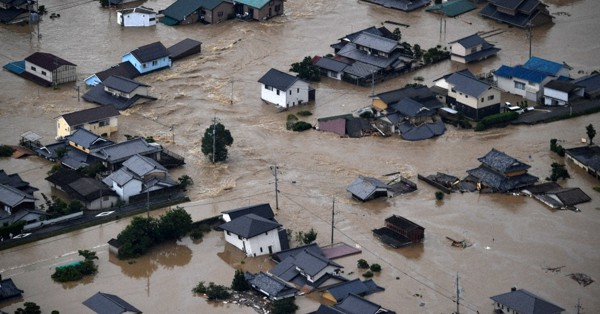
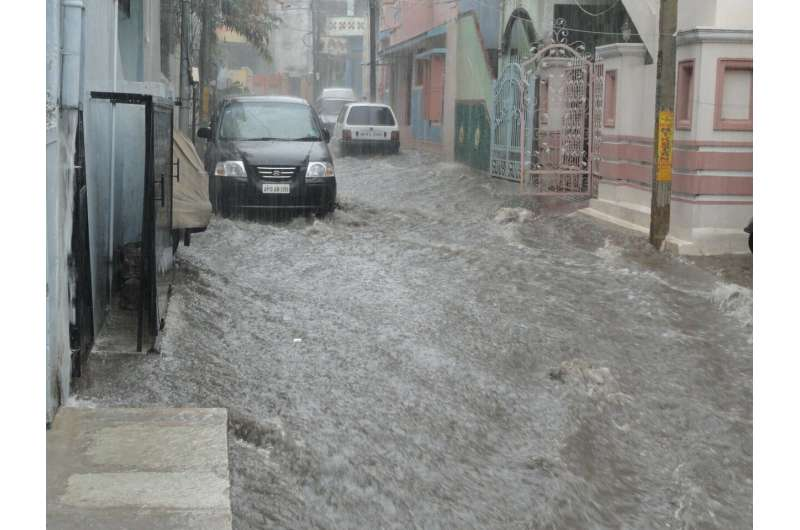
Road-related incidents are the leading cause of flood deaths across the country, but limited flood reporting tools make it difficult to assess road conditions immediately.

Existing tools-traffic cameras, water level sensors and even social media data-can provide flood observations, but they are often not designed primarily to sense road flood conditions and do not work together. Sensor networks can improve flood level situational awareness; however, large-scale operations are costly.

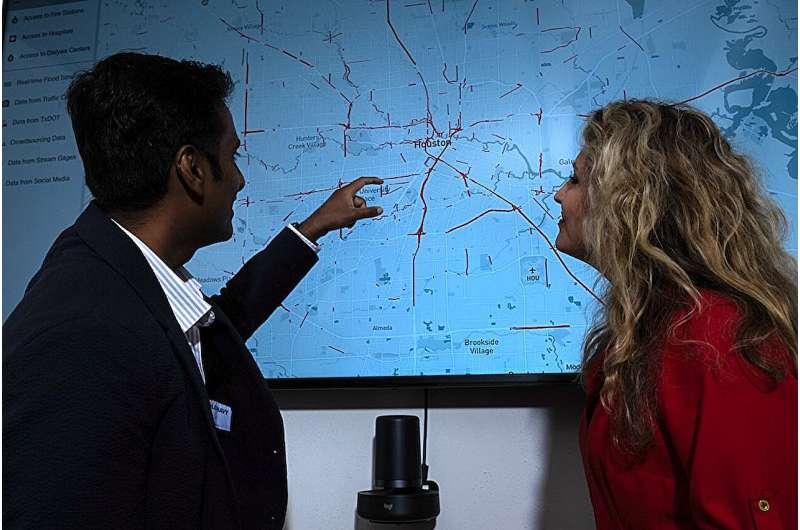
Engineers at Rice University have developed a possible solution to this problem: an automated data fusion framework called OpenSafe Fusion. OpenSafe Fusion, short for the open source situational awareness action framework that uses data fusion, leverages existing personal reporting mechanisms and public data sources to perceive rapidly changing road conditions during increasingly frequent urban flood events.

Jamie Padgett, Stanley C. Moore Professor of Engineering and Chairman of the Department of Civil and Environmental Engineering at Rice University, and Pranavesh Panakkal, a postdoctoral fellow in Civil and Environmental Engineering, analyzed data from nine sources in Houston and then developed a comprehensive framework for automated data systems in their research.

The study, titled “Focus more on roads: Perceiving submerged roads through real-time observations from integrated public data sources,” was published in the journal Reliability Engineering and System Security.

“While there are limited sources of direct observation of flood roads, there are many sources of direct or indirect observation of flood or road conditions in urban centers,” Padgett said.

Padgett and Panakal hypothesize that automated systems that incorporate insights from these instant sources could revolutionize flood situation awareness without requiring significant investment in new sensors.

“This study provides communities with a way to equitably perceive and respond to urban stressors such as floods,” Padgett said.

“It builds on and is inspired by our long-standing collaboration with colleagues at the Rice SSPEED Center who have been developing state-of-the-art flood warning systems. Here, we focus on the impact of floods on transportation infrastructure and focus on understanding how other data sources can supplement information from flood models, particularly with regard to the impact on roads and safe flow.

The framework uses data from sources such as traffic alerts, cameras and even traffic speeds, and uses machine learning and data fusion to predict whether roads are flooded.

The value of such data sources was evident during Hurricane Harvey in 2017, as many people in Houston, including emergency responders, used manual inspection of data sources to infer likely road conditions to overcome the lack of reliable real-time road data.

To test the OpenSafe Fusion process, the researchers used historical flood data observed during Harvey to recreate scenarios in a framework that included approximately 62,000 roads in the Houston area.

“The model was able to observe approximately 37,000 roads, or about 60 percent of the network we considered, which is a major improvement,” Panakkal said.

Other sources of data that can be used in the framework include: water level sensors, citizen portals, crowdsourcing, social media, flood models and what the study calls “human-computer interaction.”

Panakkal said the last source is particularly important because the human factors of OpenSafe Fusion allow for the responsible use of artificial intelligence (AI).

“We don’t want a system that is fully automated and without any human control,” Panakal said.

“Models can make wrong predictions, which can endanger community members who decide to take risks based on that prediction. Therefore, we have designed safeguards based on responsible use of artificial intelligence. The need for responsible artificial intelligence in such tools remains an open area for further work, and we hope to conduct more in-depth research when testing our methods in the future.

The study also considered the impact of floods during natural disasters on community use of critical facilities such as hospitals and dialysis centers.

“It allows community members or emergency responders to understand which roads are flooded and how to safely get to a location,” Panakal said.

Padgett said the researchers hope to conduct extensive testing, verification and exploration to understand how communities of different sizes and resource availability can use the framework to better perceive road conditions during floods.

Padgett said: “Given the impact of climate change and climate-intensified weather events, the frequency and intensity of flood events may increase in the future, so we need a solution to better respond to flood events and their impact on infrastructure.”

If you want to learn more, you can click on the link below the video.
Thank you for watching this video. If you like it, please subscribe and like it. thank

Original text:https://techxplore.com/news/2024-08-ai-real-roads.html

More information: Pranavesh Panakkal et al, More eyes on the road: Sensing flooded roads by fusing real-time observations from public data sources, Reliability Engineering & System Safety (2024). DOI: 10.1016/j.ress.2024.110368
More information: Pranavesh Panakkal et al., more focused on roads: Sensing submerged roads through real-time observations from integrated public data sources, Reliability Engineering and System Security (2024). DOI:10.1016/j.ress.2024.110368

Oil tubing:

Scroll to Top