Nowadays, young people like to drink red wine more and more, and the beautiful lady likes to drink a glass of red wine before going to bed.
After drinking so much red wine, have you ever encountered such a problem: every time you open a red wine, you can’t finish it, and you think you will drink it after three or two days, but you don’t know that it will be more than a week. I thought it would be a waste if I didn’t drink it, so I just opened it and drank it.
So, he poured the red wine into the wine glass, and then held his breath deeply, thinking that if it tasted bad, he would not smell it, and he would take a sip. However, a sour vinegar smell is really on top, and the sourness and sourness have not yet passed~
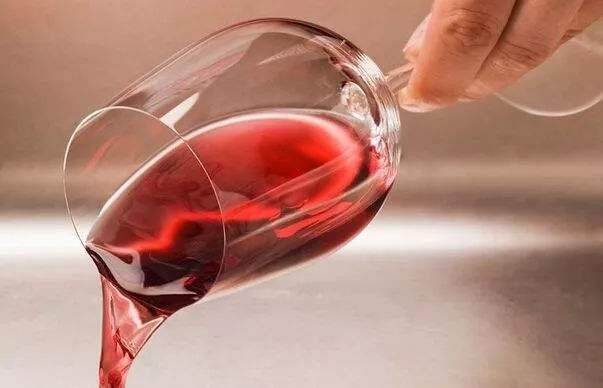
Why does wine taste bad after opening?
After the wine is opened, the reason why it tastes bad is that the culprit behind all this is to fall on the head of oxygen.
Before opening the bottle, red wine is basically isolated from the outside air. After opening the bottle, the oxygen in the air can actively run to the red wine, and the oxygen reacts with the phenolic substances in the red wine, producing hydrogen peroxide.
Do you think this is the end? Not yet!
Hydrogen peroxide is not a fuel-efficient lamp, it is extremely restless, it has to oxidize with the ethanol in the red wine, and finally acetaldehyde is produced, and the smell in the wine also exudes a nut-like taste.
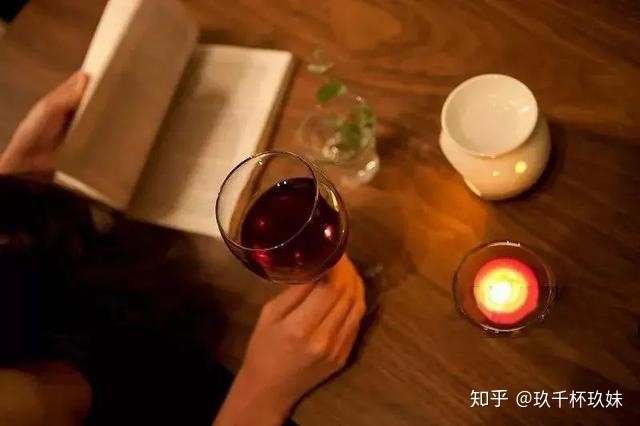
The chemical reaction equation of hydrogen peroxide and ethanol, the top scholars can take a look, and the scumbags can be skipped~~~
CH3CH2OH + H2O2 = CH3CHO + 2H2O
Some people saw that red wine had a nutty taste after oxidation and said, “That’s exactly what I like, I like nuts the most.”
If Jiu Mei wants to say that this nutty taste is not what you think, but tastes similar to rotten fruit, would you still like it?
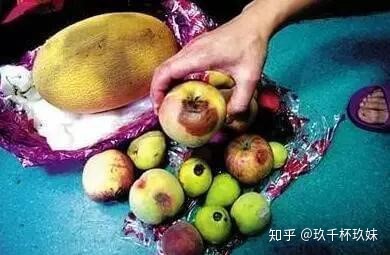
The most intuitive thing is to see that the color in red wine is brown, and in order to avoid the taste of red wine, many winemakers now use stainless steel tanks instead of oak barrels to ferment wine.
The opportunity for oxygen to turn around is coming
As mentioned above, once oxygen enters the red wine and a series of chemical reactions occur that cause the wine to taste different, does that mean that oxygen is bad?
The relationship between oxygen and red wine, we must look at this issue with a diacal attitude, oxygen is both friend and foe for red wine.
Fermentation of red wine is the process by which yeast converts sugar into alcohol with the assistance of oxygen. After the fermentation of red wine, during the aging process of oak barrels, the red wine will undergo a long-term and slight oxidation reaction through the tiny voids of the barrel, so as to sublimate the original fruity, vegetable, and spice flavors in the wine and the toasted and spice flavors of the oak barrel into leather, mushroom, animal flavor, etc.
How long does red wine last after opening?
Different styles of red wine are stored for different times depending on their variety, brewing process, aging time and storage status.
To put it simply, most red wines can be resealed in the refrigerator for about 3 days after opening. But in reality, it still depends on the specific situation.
Generally speaking, the higher the acidity, tannins, and alcohol content of red wine, the more durable it is. In general, red wine should be corked after opening, can be placed upright in a cool place and in the refrigerator compartment, and drunk within 3-5 days.
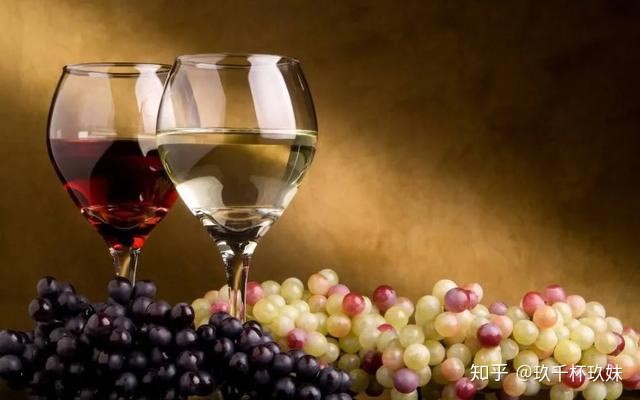
However, with the improvement of winemaking technology, red wine has become more and more durable, and some can even be vacuum-stopped for 7 days, and the taste is still pleasant.
For example, Barolo, just the decanting process takes 24 hours, and it will even get better after three or four days after opening the bottle, Jiu Mei can’t help but wonder, what will happen after seven or eight days?
How to store red wine when you open a bottle
It is best to drink the red wine drunk by ordinary people at once after opening the bottle, unless you can really completely isolate the air, low temperature, avoid light, and absorb shocks, so as to delay the oxidation reaction.
Refrigeration: Reseal the bottle with a cork or screw cap, and store the wine in the refrigerator, or in a cool, dark pantry. When placing it, do not place it horizontally, but keep it upright to reduce the contact area between the wine and the air.
Use a vacuum plug: Use a vacuum plug to draw air out of the wine bottle and extend the shelf life.
Change the vial: Many experienced drinkers usually save a few small bottles to save the wine they can’t drink. Generally, screw cap bottles are more convenient.
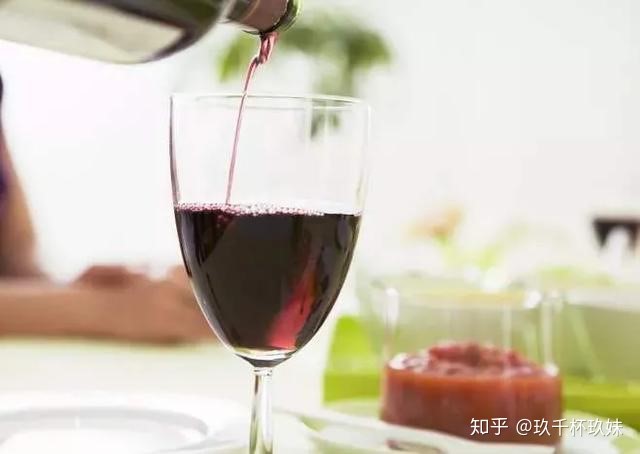
Finally, what Jiu Mei wants to say is that in addition to the very few wines that will not go bad for a month, it is still recommended that everyone drink it as soon as possible. After all, if you open a good wine, it is a pity that the taste changes because you don’t finish drinking it.